
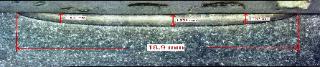
Szélesség 36.6 mm, mélység 1.590 mm
Szélesség 18.9 mm, mélység 1.309 mm
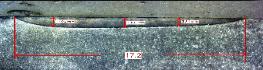
Szélesség 17.2 mm, mélység 0.986 mm
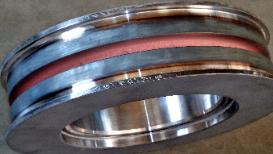
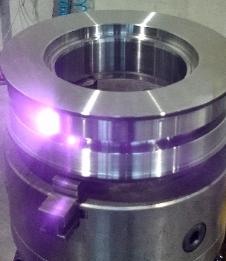


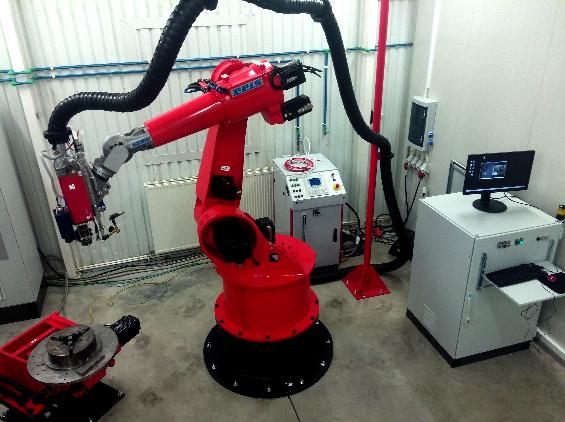
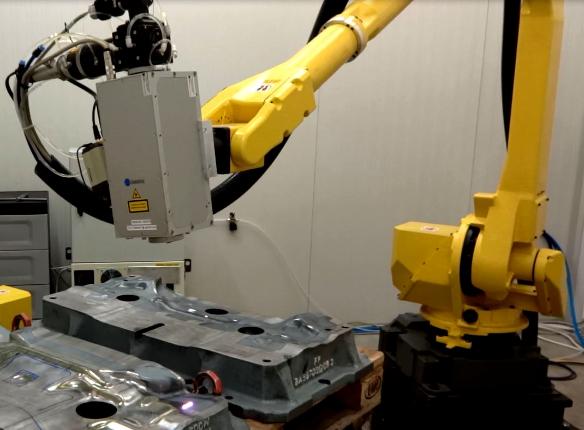
"Laser beam is a low divergence, parallel beam which can be focused on a small spot, on which the full beam power concentrated. These features of the laser beam make it unique in modern industry. In the mean time, the power enhanced laser makes it possible to apply the high power beam to various production processes. Compared to the conventional methods, high power laser creates a new process method which is faster, more flexible, net shape and cleaner. Today’s highly competitive markets require the industries to look for new technologies to improve the product performance and productivity. For industrial equipments, most engineering components not only rely on their bulk material properties but also on the design and characteristics of their surface. Surfaces are the bounding faces of the solid components; they always interact with the working environment, and under severe conditions their performance and reliability can be limited due to the wear and corrosion. The solution of the problem is surface treatment. Surface engineering involves different special treatments to alter the properties of the surface phase in order to reduce the degradation over time; this makes the surface robust to the environment in which it will be used and prolongs the component life. The most common processes of the surface treatment include flame and induction hardening, carburizing, nitriding. As a result, the chemistry and mechanical performance of the surface is modified and improved. Nowadays, high power laser has become a new heat source for the same job. Laser surface treatment can be applied in both coating and hardening in the surface treatment fields; it has many advantages compared with the traditional ways, such as smaller distortions and less post-process time. Laser surface treatment is a very flexible process, because of the self-quench and easily controlled laser power; it has been wildly used in automobile sectors and other industrial areas. One important application is the laser hardening, which involves only a thermal effect on the surface where a new structure with high hardness is obtained on the top surface. In most of these applications, laser does not treat the complete surface of the components but rather small local tracks. With a designed and delicate movement control system, laser hardening is suitable for some components with complex geometry, i.e. edges, corners and holes." Ph.D. Candidate: Anmin LIU |

|
|
|